Tuesday, August 16, 2011

Interlaken

I spent my second weekend in Europe in Interlaken, Switzerland. It was absolutely amazing. I’m so glad I went. There are no words to describe how utterly gorgeous it was there and the pictures just can’t do it justice. I had a great time.
There were only five of us that went and I think that made everything so much easier. It was so much less stress and it was just plain relaxing, like a great vacation should be. My heels were bothering me a bit Friday night when we got there and were pretty swollen so I was seriously considering not going canyoning. I got up Saturday morning, though, and they weren’t too swollen they didn’t hurt too horribly bad so I went.
It was an absolute blast. The company we did it with picked us up at our hostel so we didn’t have to walk all the way there and they guy that picked us up was also one of our guides during the canyoning. I went with Josh and Andrew while Carrie and Michelle did their own thing. We ended up meeting a few guys from Abilene Christian University which was pretty awesome. We seem to be meeting Texans everywhere.
We went on the full day course so basically, after the first jump, you were in the canyon and there was no turning back. It was so much fun. It kind of reminded me of a really hardcore waterpark, only natural. It was great. Certifiably insane but great. And they fed us at the end of it all too which we definitely needed. I was starving by the end of it. I don’t think I’ve ever been so excited for a sandwich and a beer.
Then we went back to the hostel to take a shower. Carrie had decided to go hang gliding and Michelle went with her. Our plan was to walk through town and meet up with Michelle so that she wouldn’t have to sit alone until Carrie got done hang gliding but we never found her and the three of us ended up spending the evening walking through Interlaken and stopping in the occasional chocolate or outdoors shop before going back to the hostel and completely crashing. It was really nice and relaxing.
The next morning we got up and just sort of hung around for a bit. We ate breakfast together and then Carrie, Michelle, and I went outside and sat next to this amazing lake that was right outside of our hostel. It was so beautiful. Not to mention I got to sit there with my feet in the cold water that felt so very good.

Then we all walked to the train station and took a tram up the side of this mountain to a restaurant that was perched up there. The view was pretty spectacular. We just sort of hung around for a bit before we went back down and got on our train back to Bonn. It was just so relaxing, peaceful, and beautiful. I’d do it again in a heartbeat. Much better than Paris.

We got back early in the evening and I went back to my host family’s to eat dinner there. I had dinner with my host mom and a couple of her friends before we watched the USA v. Japan world cup finals game. USA lost. You could argue that they needed the win more than we did though.

Program Week 2

Well, we started out this week pretty easily. We just had a German workshop in the morning and a tour of the Museum of Anesthesiology in the afternoon. It was a pretty chill day and it was probably really good that we had that more relaxing day after all the craziness of the last part of last week and our weekends.

On Tuesday, we got up early and went to Cologne to take a tour of the cathedral and old town. The Cologne Cathedral has the solid gold tomb with the three wise men inside. It was pretty cool to be able to see that. In the afternoon, we went to Elde House which was basically a Gestapo prison during the Nazi time period. It was a place where the Nazi’s would take people who they thought could be Jews, homosexuals, Sinti, Roma, Jehovah’s witnesses, or anyone they even suspected of not being completely loyal to the Nazis. The people they brought would then be “questioned” before they were either released or sent somewhere else. They showed us all of the tiny cells where they would put 30-40 people in at once as well as all the writing the prisoners put on the walls while they were there. The writing told a lot of things like all the different places the prisoners were from as well as all of the things they had to endure during their stays. Then we were supposed to go on a rooftop tour of the cathedral but our guide never showed up so we just went back to Bonn for the night.

We had to get up early again Wednesday morning so that we could go to the teaching hospital here in Bonn to watch surgeries all morning. I do believe that I am even more sure than ever that I want to be a veterinarian and not a human doctor. I just don’t have the patience to deal with too much human stupidity. The first surgery I saw was on a guy that had crashed his motorcycle into a parked van going 100 km/h in the middle of the city. It was pretty cool to see some of the differences and similarities of surgery in humans versus that on animals. There’s a lot more equipment and technology that goes into human surgery but they take way more time than an equivalent surgery would take with an animal.
Then, in the afternoon, we went to the USA v. France women’s world cup semi-finals game. That was so much fun. It was pretty chilly outside but we still took full advantage of being able to act like crazy Americans and we painted ourselves and ran around to make sure as many people saw us as possible. Most of the other Americans I saw there looked about as crazy as we did. It was awesome. There were a bunch of French and German people there, who were all bundled up, who kept asking me if I was cold. Got to love the USA. Then, after we BTHO France, we came back to Bonn and celebrated for a while.

Thursday, we spent all morning in class and Dr. Wasser went over euthanasia programs and a lot of Nazi history and how it all affected present day thinking. It’s really cool to have a teacher tell you something about history and then relate that to its affect of something present today that we can see for ourselves. I don’t think I’ve ever had a teacher that has done that before. It really makes you think about things and helps to understand them more. All of the euthanasia type of stuff was a lot more medical related and kind of cool but completely twisted at the same time. The Nazi’s initially started euthanasia programs for mentally disabled people because they believed that they would pollute the gene pool and that they were a burden on society and the people around them so they had a negative worth and needed to be gotten rid of. Then the euthanasia ideas sort of spread from there out to all the different groups that the Nazi’s persecuted. Then Dr. Wasser showed us some numbers from a survey that was done and a majority of Germans would support euthanasia or assisted suicide for a person with cerebral palsy who stated that they wanted to die once they couldn’t move anymore but euthanasia is still illegal in Germany today because when Germans think of euthanasia, they think of the Nazi time period and they don’t want to relive that in any way possible.
Then we spent the afternoon in the botanical gardens in Bonn for our guest lecture on homeopathy. He definitely had an interesting way of looking at things.

On Friday, we went to the Institute for Aerospace Medicine. That was not what I was expecting at all. I didn’t have many expectations about the tour but I figured since it was called the “Institute for Aerospace MEDICINE” that we would actually talk about medicine. No such luck. It was pretty much just a tour of the facility.
Then we went to Bruhl to see a palace. It was crazy how big and elaborate everything was and the fact that it was all for one person. All the people that went to Paris for the weekend had to rush out of there so that they could make their train to start on their adventure to try to make in to Paris for the weekend. I decided to go to Switzerland instead and I’m so glad that I did. We got to hang out at the palace in Bruhl for a little after our tour was over and we went and walked around the gardens there. It was so pretty.

Amsterdam Weekend

This weekend we decided to go to Amsterdam after finishing our program week in Norddeich Mole on Friday. The train ride went pretty smooth until we had a surprise train change about an hour and a half before we got to Amsterdam because something was wrong with the train or the tracks or something like that. I think we managed to navigate it pretty well though. We all made it to Amsterdam at least. Then we ended up splitting up into three main groups to go to our separate hostels/hotels.
I was in a hotel with Heather, Matt, and Elyzabeth. We initally had some trouble trying to coordinate with each other once we got to Amsterdam but we found our way to the hotel eventually. We had four people staying in a two person room so we had to squish a little. The three of us girls slept sideways on the beds under one blanket while Matt slept in his “Matt Cave” under the desk with the other blanket, pillow, and all the towels for cushion.

Then we got up early on Saturday morning to go meet up with everyone else and take on Amsterdam. It took us a while to get together and plan the day so when we finally did get going, we started out by going on a canal cruise before getting lunch. The canal cruise was definitely worth the time. We got to see a lot of Amsterdam and got a bit of a crash course history lesson at the same time. For lunch, I ended up with the group that got pizza. It’s funny how we’re abroad but we seem to keep reverting back to American food every chance we get.

After lunch, we split into Heineken Experience and shopping groups for a few hours. I went to the Heineken Experience and that was more interesting than I was really expecting. It seemed to me like they tried to explain a lot more of the science that goes into brewing beer than they probably would in the US. It wasn’t really anything new to a bunch of science majors, like us, but it was interesting to see that the other people there seemed to have a high enough science-knowledge-baseline that they understood what was being said pretty easily. In my experience, a lot of people in the US don’t understand or don’t care to understand how something like fermentation works.

As we were leaving, we met another group of Texans. I believe they were from St. Mary’s University in San Antonio and they were on a study abroad trip based in Austria. It was pretty cool to see that we aren’t the only Texans over here.
Then we went and met up with everyone else in this big, open park sort of place and took a nap in the grass behind the Van Gogh Museum. There were people everywhere but it still seemed so quiet. It was a great break from Louisiana to just be able to lay outside in the sun in the middle of the day and be comfortable instead of suffering from the outrageous heat and humidity. Then we went to the Anne Frank House and took a tour through that. It was really good to see first hand how she and her family had to live until they were given up.

On Sunday, we got up and went to the Van Gogh Museum with one of the other groups. It hinted a little about how Van Gogh probably had some form of epilepsy which could have been responsible for him cutting off part of his ear and later committing suicide. From my perspective, that was the coolest part of the whole museum but I’m also not really into much visual art to begin with. Then it was off to the train station to make our way back to Bonn.

Program Week 1


Maggie works as a student worker at AIB (in addition to all her other jobs) so she took me to AIB with her on Monday morning so I wouldn’t have to try to find my way on my own. We had a historical city walk through Bonn which was pretty cool. It was nice to have someone lead us around and tell us the significance of everything around us. I think it also helped us to try to figure out how to get around the city a little bit too. Two of the main things they showed us were the church in the town center and the university building that used to be one of the prince electors palaces.

Then we went back to the AIB after lunch and had class with Dr. Wasser and a German workshop with Hilde. I’m really glad we’re having a few of these German workshops because I’d be pretty lost without them. Having Sebastian teach us some German while we were in the states helped quite a bit but I’m glad we’re doing it here too.
On Tuesday, we had a cultural studies discussion with Nils. It was pretty cool to sit there in a class and just be able to discuss different things. It was interesting to hear about all the things everyone else was expecting from Germany. Then we went to the Alexander Koenig Zoological Museum. It was interesting to see how people studied animals back when Koenig was alive compared to today. They killed animals and stuffed them while today most people try to observe animals alive or by dissection and genetic analysis.

On Wednesday, we travelled to Hannover. The country side is interesting to watch. In some ways everything here is really advanced and in others, it’s like stepping back in time. There are free range chickens instead of huge poultry houses and there are scattered dairy cattle here and there instead of massive dairy barns. They might have the big industrialized farming and ranching like I’m more used to but from what I’ve seen, it all looks much more traditional. Europeans are a lot more advanced when it comes to public transportation, recycling, and other things like that though. They are a lot greener (both ecologically and their scenery) and they seem to waste much less. We went to the axolotl research center and saw all the cute axolotls and then listened to a lecture about the type of research they are doing there and why they are doing it. I thought it was really interesting that axolotls can revert differentiated cells back into stem cells so that they can re-grow parts of their bodies.

We got up and travelled to Norderney on Thursday and went to an alternative medicine type of place where they mainly treat different sorts of lung problems with diet, exercise, and Norderney’s unique and awesome environment. We also learned a lot about Germany’s health care system. It was like a big gym/spa there. It was so nice. It seems more like a vacation instead of rehabilitation to me though.
After our program day was officially over, we went to the beach and went swimming in the North Sea. It was so cold but so much fun. Then we played a game of ultimate frisbee on the beach after we all decided we couldn’t handle the water anymore. It was so much fun. A bunch of us went and ate dinner together after we changed into some dry clothes back at the hostel and then we went back to the beach, sat on a dune and watch the sunset. It was so beautiful.
I got up at 4:30 on Friday to go out with the bird watching group. I wasn’t very interested in the birds themselves, honestly, I just love that part of the day and it was really cool to go on a hike like that and look at all the wildlife specific to the area. If for some crazy reason, I don’t end up in equine or large animal medicine then I would like to do something with Texas wildlife and it was really interesting for me to see some European coastal wildlife. Not to mention, I’m a country girl through and through so I love feeling like I’m out in the middle of nowhere and I got a bit of a sense of that in Norderney. It was really nice.

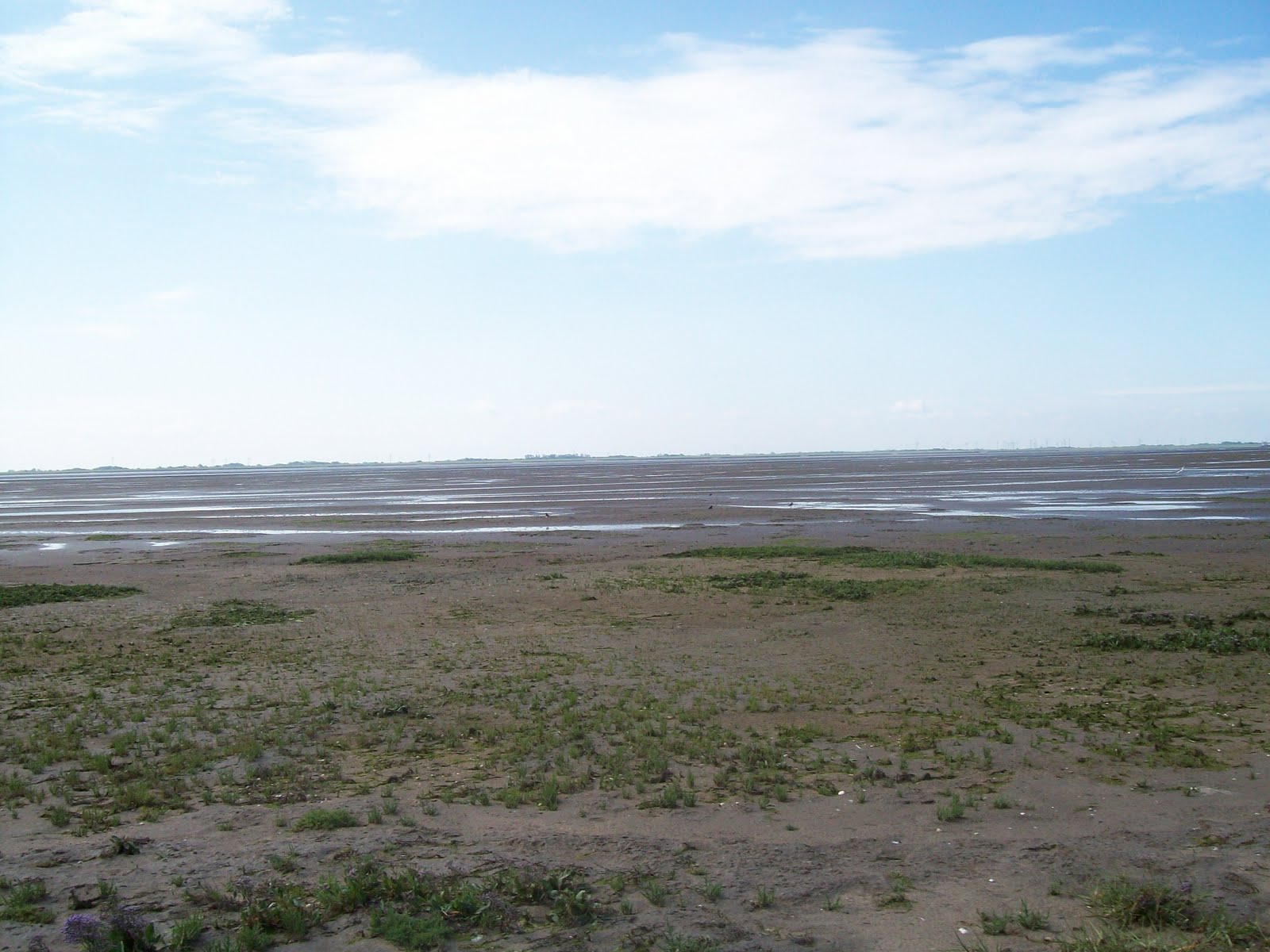
Then we got to go on our Wattwanderung through the Wassen Sea a few hours later. Before we actually started our wattwanderung, though, we hiked across the island and our guide showed us a lot of the protected habitat around there, why it’s important, and how it all works. He explained how the sand dunes for and how the grasses are what holds them together. He also showed us a couple examples of how the plants deal with all the salt water around them. Some adapt in ways that let them use the salt and others adapt so they can excrete all the excess salt.
It was really cool to see how unique it was that you could walk from the island to the mainland and even cooler that we actually got to do it ourselves. We got to eat oysters that we picked up along the way. We got to look at a bunch of worm poop and then dig up the worms and look at them. We got to pick up some muscles and then watch how they went back down under the sand. We also learned a little muscle/oyster anatomy. I guess I was wrong in Biology Lab when I thought I’d never see any of that stuff again.


And of course having an excuse to mess around in the mud is always fun. We may not be little kids anymore but we still like to act like we are from time to time.
When we finally got to the mainland, we had a chance to wash off our legs and shoes and try, in vain, to save our socks. Then they fed us. I don’t think I’ve ever been so happy to see food. We had fish sandwiches with some seasoned fries that tasted sooooooo good. I’ve never been much of a fish person but these sandwiches were delicious.
Then it was off to the seal rehab clinic. They had two adult male seals there but the rest were all babies (or howlers) that were just getting taken care of until they were old enough to go off and fend for themselves. It was interesting to see the different stages of feeding and how it gradually teaches the babies how to get food for themselves. At first they are fed this milk/fish mush and are gradually fed more and more fish. Then they just shove the fish down the baby’s throat (because, apparently, if something goes far enough into their mouths, they have to swallow it). Then they just throw the fish into the pond to make the seals get their own food and to try and minimize human contact as much as possible. After that, we went to the Walloseum to finish off our bout of aquatic life education.

It was a great end to a great week. It was sort of weird having to leave my host family after only being there a few days but I’m really glad that we did so much traveling and saw so much on our first week here. I think it helped us a lot with trying to figure out how to get around on our first weekend on our own. Norderney was so beautiful and such a great experience. I’m so glad we went there for the program.

Host Family Weekend

My host family is great. I was living in a flat with my host mom, her daughter, and one of her friends and her parents live in the flat across the hall. They’re all so friendly and welcoming, They made me feel like I was already a part of their big, extended family right away. My host roommate, Natalie, is from Canada and moved in with my host family after her original Germany housing plan didn’t quite go as planned. She’s really cool and I’m so glad that I’m living with a family that’s all fluent in English. Zoe, my host-sister, is 11 years old and a big animal fan so I lucked out big time and I’m not the only crazy animal person in the place.
Bonn was pretty crazy my first night because there was this big free music festival going on the night that we got there. I was kind of interested in going but I found out later that I wouldn’t have been able to because so many people showed up that they just stopped letting them in. I ended up going out with my host mom, Maggie, to a deal that her theatre was doing. They had this big carpet laid down in the middle of this square in front of the house where Beethoven was born. They had lines painted on the carpet which were supposed to be walls and they had a sink, stove, refrigerator, TV, piano, and everything else a house would have, that all worked, set out on different places on the carpet. The lines were set out like rooms in a house and the actors and just random people from off the street could “move in” and pretend to live in this house while it was there. It was pretty cool. It was the sort of closing night for it all so people were bbq-ing and they had a piano and a house musician so there was music constantly going on. It was a lot of fun. Apparently I looked German to a bunch of the people there because they would all come up to me and just start talking to me in German. Maggie had to keep telling them all that I was from the US and didn’t know any German. It was kind of cool but kind of awkward at the same time because I would have no idea what they just said to me and no idea how to tell them I don’t know any German.
On Sunday, I went with my host family/roommate to a play my host sister was in called the Magic Flute. It was all kids that were 11-17 years old in the play so it was pretty much just all of their families there. The play was in German, so I didn’t understand a word of it, of course. It was still pretty cool though because I was still able to have a general idea of what all was going on just from how they were all acting. I guess it was a bit of a lesson in how important body language can be.
After the play, they took me to my host-uncle’s Irish pub and I met my host-aunt (like I said, big extended host family). It was a pretty cool place. You definitely don’t see places like that in the states. After talking to a few people there for a while, we went back to the flat and I watched some TV show episodes with Maggie and Natalie (my host-roommate). I can’t remember what the show was called at the moment but it was an English comedy with the same guy that did Shaun of the Dead. It was definitely a different type of humor but it was still really funny.

Discover What Moves Us

As with most events on this program, you never really know where you're going until you get there. To my surprise, going to the Otto Bock Science Center was one of the highlights of my trip. Maybe it was the sleek building design simulated to look like muscle. Or maybe it was the high tech interactive exhibits. Or maybe it was just the simple fact that biomedical engineers are just plain fascinated with prosthetics.

The walking man/women started out the tour. By changing different settings, 15 joint points could be altered. Happy or sad, heavy or light, man or woman, different body and emotion types effect the gait of our walk. We then viewed a few historical items of prosthetics and of course the sensory homunculus!

We then visited several stations that described movement and the muscles we use. We then balanced across a deep ravine...ok well it was just a CGI image but it was still fun! On the top floor we got to see some of their prosthesis products in action such as the C-leg and try to wheel ourselves around Brandenburg Gate.

By far the most interesting aspect of prosthetics, would be neuroprosthetics. The ability for the mind to control a foreign mechanical object by placement of nerves is beyond cool. I discovered neuroprosthetics as a senior in high school and have always been interested in that aspect of research.

I was extremely impressed by the Otto Bock Science Center. Their desire to give people movement inspires me. I will always be on the lookout now for new innovations from Otto Bock!

Monday, August 15, 2011

Home of the Maß- Friday July 22- Sunday July 24

Traveling to Munich was much easier traveling to Paris. On Friday morning, we said goodbye to our host families and got on the train. The train ride was nice since there was no need for any connections. It was a four hour train ride and seemed fairly pleasant. When we got to the central station in Munich we took our bags and walked over to the hotel. There wasn’t much action like Amsterdam, but it was an easy walk over to the hotel. It was only a few blocks away. We were staying in Meininger hostel. The room had 14 beds. It was weird walking in because there was an older man of about forty in the room already. He told us he had been living in the hostel for nearly a month. The lockers didn’t work in the room, so we had to trust the people in there. It was crammed, but we were only paying 20 Euros a night per person. We got settled down, and we went out to eat some food. Luckily, there was an excellent place to eat across the street. It was Augustiner. This restaurant was the stereotypical Bavarian German that we had all been waiting for. Lederhosen and the Dirndl dresses were on the waiters and waitresses. This is a restaurant most Americans think of. Since the American sector was in southern Germany, many people think of Germany as Bavarians. In Bavaria, the restaurants will typically offer Maß’s which are liter beer glasses. Many people ordered this glass which included our table. After eating, we decided to go to the Englischer gardens. This garden is one of the largest urban gardens in the world only trailing Richmond Park in London. We walked around this nice park until we arrived at the Chinesischer Turm. This park of the park included a beer garden with a Chinese Tower. The Chinesischer Turn was first built in 1789 and has five stories. It had seating for the beer garden here. We all sat down, and I ate a huge pretzel. I was a nice way to spend the afternoon. While we were walking in the park, it was raining a little bit. Luckily, I had brought my umbrella and I was protected from the elements. After everyone finished their Maß’s, we went back to the hostel because it had been a long day.

The next day, we woke up and headed over to the Deutsches (German) Museum. The museum was quite interesting and really big. In fact, with 28,000 exhibited objects, it is the world’s largest museum of science and technology. It covered many topics that I couldn’t keep track of. I found it interesting my major of biomedical engineering had such a large exhibit in the museum. The exhibit was labeled nanotechnology and bioengineering. I found this quite interesting because I knew many of the topics that were being discussed. For example, there was an exhibit where a water particle rolled down a ramp. The water particle held its shape throughout the whole way down. This is due to a nanotechnology similar to rain-x. Rain-X is a hydrophobic silicone polymer that forces water to repel against the surface. This is the reason why the water kept its shape. I also learned how in ancient times, people made bronze. This was interesting because it is remarkable that those people were able to make a metal that hot. I could have spent several hours inside the museum, but we decided to leave after two hours. My head was actually a little stress from all the reading material. Since the material was much more complex than a typical science museum, I really had to process the information. After the museum, we went to the Viktualien Markt. This is a daily market where one could find the freshest produce and an assortment of different spices. I ate there at a beer garden with the group. After eating, Andrew, Drew and I headed over to the BMW museum and showroom. It was located near the old Olympic stadium. This unfortunately was the place where a Palestinian terrorist group “Black September” killed members of the Israeli Olympic Team in 1972. The BMW museum was right across the street to the stadium. We first went to the showroom. It was quite large with all of the BMW cars. I had never realized how many different types of BMW’s there were. It seemed like a big advertisement, but it was neat to learn about luxury cars. I even got on one of the motorcycles. That felt pretty cool! Next, we headed over across the catwalk over the street to the actual museum. The museum was pretty cool because it explained how the BMW vehicle has evolved over the years. In fact, one of the actual James Bond 007 cars was on display. It was the actual vehicle used in the film! We also saw a concept car that looked very futuristic. Apparently it was too futuristic and never made it to the market. I also saw these cars that had been painted. Each artist had a different design. My favorite was the war with the flames on it. After the museum, we headed back to the hotel. We ended eating again at Hofbräuhaus.

On Sunday, our group went to Dachau concentration camp. This camp was the first one that the Nazis opened. In 1933, it was described as the first camp for political prisoners. Later it expanded to a camp for all non-Aryans such as Jews, Gypsies, Slavs, and Jehovah Witnesses. Since this camp was the first of its kind, it was a model for the others. This was a statement at the press conference when it opened.

"On Wednesday the first concentration camp is to be opened in Dachau with an accommodation for 5000 people. 'All Communists and—where necessary—Reichsbanner and Social Democratic functionaries who endanger state security are to be concentrated here, as in the long run it is not possible to keep individual functionaries in the state prisons without overburdening these prisons, and on the other hand these people cannot be released because attempts have shown that they persist in their efforts to agitate and organize as soon as they are released.'

This statement explains why the camp was built in the first place. By carefully constructing the words, the Nazis have explained why they must have built this camp. They paint the prisoners as ruthless criminals that have to be contained. Their pure existence will bring down the country.

Walking up to the prison, the gate has the infamous words, “Arbeit macht frei”, which means “Work Sets You Free.” This obviously wasn’t true in most cases. It is funny how the Nazis were able to convince people such lies like this. In fact, they would invite reporters to the camp. They would show them that the prisoners were being treated well, and they were working to improve their ideas and logic. Of course the news reporters were convinced that this camp was necessary. Even the New York Times reported on the camp. The article sites that the 2,000 inmates are gloomy without a smile on their faces. It is a military like structures with discipline and everyone always hard at work. The barracks had to be kept clean. There also were prisoners that were leaders of the other prisoners. The Times provided a schedule of the prisoners and said that the same food is provided to the prisoners as the guards. I find the food statement hard to believe in the article. I don’t believe a guard would actually lower himself to one of the prisoners on any level. This article is important because it tells me that the United States clearly knew about the camps. The entire country had access to information about the injustices that were happening abroad. Unfortunately, the United States had its own issues to deal with. This clearly debunks the theory that the German neighbors didn’t know about the Holocaust. These types of camps certainly cannot be right to anyone in the right frame of mind.

Entering the concentration camp was a different experience than I ever had. I had never been to a place with this amount of suffering and injustice. Even though it is mostly a large field enclosed field with buildings on it, its mere presence really put a deep impression on me. We first walked over to the museum which had been used for different camp functions such as clothes fitting, book keeping, and offices for the guards. The museum was quite interesting and told about the experiences of a typical inmate and how Nazi Germany chose to persecute more and more different types of people. We also saw a movie that explained the experience of the prisoners. Next, I walked around the camp. I went inside the barracks and saw the actual beds, toilets, and tables the prisoners used. They were quite small and stacked like bunk beds. It was very meager living conditions. There were only two barracks, but during the camp there were approximately 38 barracks. The rest of the barracks were represented as gravel. The barracks once stood there. At the end of the camp, there was a Catholic and Protestant Church along with a Jewish memorial. Over to the side of the camp were the crematoriums. There were two buildings. One was an old one while the other was a new one with a shower that had never been used. When I walked inside the new building, it was first an open room. This room was used as a place to put dead. It also served as a place to tell the prisoners to take their clothes off. The next room was the showers. This place was creepy just because of the background behind it. Next were the crematoriums. For whatever reason, the new buildings had never used. I next walked over to the old building. There were only crematoriums in these. This part scared me a little bit because of their use. After walking in this area, I caught up with the rest of the group and left the camp.

Going to the concentration camp will forever implant an image in my memory. This valuable lesson will forever teach me to watch what I say and stand up for injustices. I must remember my experience and know why this happened. Visiting a concentration camp will only benefit the visitors if they know how to prevent this. Even if I don’t think discrimination will lead to a “special prison”, it doesn’t mean it is wrong. History will repeat itself if people let it.

After the camp, we went back into town. To lighten up our moods, we went to Hard Rock Café. I got a large nacho that had American written all over it. It was nice to know that mini-Americas exist all over the world. After dinner, we went back to the hostel because we had an early train ride back to Vienna.

homeopathy?

When I heard our guest lecturer was a homeopath, I didn't know what to expect. I had no idea what a homeopath was. The only clue was that, weather permitting, we would be getting lectured at the botanical gardens which only added to the mystery.

As it turns out, homeopathy is an alternative form of medicine which focuses on the use of properties of plants, animals, and minerals to remedy problems people are having based on the idea the like cures like. I must admit, I was surprised to be hearing about things like the essences of plants and how the properties of a plant like a cactus can be used to cure anything from a headache to a tenseness in the muscles. As someone whose only ever learned western medicine, I couldn't help but think, why not just give them medicine?

But the interesting thing is that this form of treatment is actually covered in Germany's health care. In the United States I imagine it would be considered a new age fad, even though the use of plants in medicine has been used longer that any antibiotics. So I tried to keep an open mind as we walked through the botanical gardens and our lecturer told us about the different uses for different plants.

At the end of the trip, I still don't know if I would put that much weight behind homeopathy. But my mind was definitely opened to the idea of it. Clearly, we don't understand everything about medicine and the human body, and even if homeopathy works as a placebo effect, if it works for some people then who am I to criticize. Ultimately, I was really glad to have the opportunity to learn a little more about other views on medicine. The coarse after all is called a History of Medicine so it seems only fair that we learn about all approaches to medicine and not stay in the confines of what we are used to. I may not be a converted believer, but at least I'm aware of the approach and it's potential.

Patriotism at it's finest

I must admit, when we first started talking about painting up for the world cup game on Wednesday, I figured it was just talk. But the day before the game we went into Cologne for a day trip and we decided to go on the hunt for some body paint and any other patriotic items we could find. After all, how many times do you get the chance to cheer on the USA women's world cup team in person while they play in Germany?

It was a bit more difficult than we thought to find body paint though. There are no superstores where you can get just about anything you want, so we needed to find a specialty store and we weren't gonna find one in Bonn. Luckily we found out that there is a place in Cologne that sells it, but we didn't know the name of the place or where it would be in the city. The way the city is arranged (or at least the part we visited, which seemed a bit more touristy or like a shopping district) there are tons of shops everywhere. Sort of like the street is a hallway in a mall, with restaurants and banks and stuff all mixed in. It took us a while to find the place we were looking for, a costume/party store that had all sorts of fun things like flags, hats, funny socks, and lucky for us body paint. So plan Crazy American Fan was a go :)

Unfortunately Wednesday morning was a bit cold and I am sorry to admit, but I am a pansy when it comes to the weather. However, I still went to the AIB early on Wednesday to get ready for the game. I decided I probably couldn't handle the full on paint, since I would only last about 30 minutes before pulling my jacket back on to get rid of the goose bumps, so I painted around my t-shirt with stars and stripes. It was so tame compared to the other painters! They looked truly fantastic, even painting their faces blue with stars! When we got to the game, random people wanted to take pictures with our group of patriots. I did in fact get cold and put on my jacket, but the rest of the painted group stayed warm by cheering and it paid off. After an exciting, but nerve racking 2nd half, the United States girls won it! It was such a fantastic experience to see a game at the stadium and for our team to win. Even though I ended up bundled up, it was an awesome night that I won't forget.

Close to Home

Berlin...the last and final city of our whirlwind tour of Germany and Europe. I felt that all our history lessons were building up to what we would encounter in Berlin. From the infamous wall to visiting a concentration camp, a lot of Germany's history took root in Berlin.

Bike tour = best way to view the city! Maybe it was the first time seeing the sun in full swing in a long time or the excitement over not having to walk around the city, but I loved the bike tour. My first impression of Berlin was that I felt closest to home. While history is deeply rooted, the modern feel creeped through and reminded me of big cities back home. Within three hours we traversed across the city getting glimpses of points of interest such as the Berlin Wall, Checkpoint Charlie, Parliament, and the memorial for Jews. Despite two downpours of rain, everyone seemed to enjoy the tour.

The one event on the program I had been dreading was visiting Sachsenhausen, a concentration camp outside of Berlin. This would be my first visit to a concentration camp, and I wasn't sure how I would handle it emotionally. To hear about all the horrible things that happened is one thing but to be standing on the very grounds is another.

Our tour guide met us at the hotel and travled with us to the camp site. For me, the walk from the train station to the camp was very mind opening. Just trying to imagine lifeless prisoners made to walk that distance was difficult for me. Once inside we traveled around the triangluar shaped enclosement to various parts of the camp such as prisoner barracks, "hospitals," and gas chambers along with the more modern monuments and museums set up. I would mostly blame it on the gorgeous weather, but the camp didn't bother me as much as I thought it would. Seeing the sun after many weeks of rainy cold overshadowed the horrible camp. While our tour guide was excellent, he failed to recount many personal stories of people living there which I would have been more interested to hear.

Berlin offers many pieces of history that can be connected for the big picture of Germany's story. While we only experienced one week, I feel I have a greater understanding of Germany's struggles and triumphs.

Sunday, August 14, 2011

Vienna:The place of bones- Monday July 25- Friday July 29


We arrived in at Wein West around 1:30 in the afternoon from the Muchen Hauptbahnhof. Our hotel was Hotel Deutschmeister. At around 4:00 we went back into the city of Vienna to have a walking tour. We went around the city center and walked by Stephansdom in Stephansplatz. This Romanesque church was quite interesting, but it looked quite similar to the other churches we had already seen. Yes it was elaborate, but it did seem very similar to the other churches. We went to the Catacombs underneath the cathedral. Usually it was an honor to be buried inside a church. However, a bubonic plague broke out in 1735. The charnel house and the cemeteries around St.Stephen’s Cathedral were closed due to this outbreak. The bones were then moved to the church. Burials in the cathedral were took place until 1783. When I walked into the catacombs with our group, it reminded me of a horror film. The dark hallways along with bricks made this catacomb seem eerie. Our guide then pointed us to a room full of bones. This room was literally filled with skulls, femurs and every bone one could imagine. Some were broken, while others seemed like they were ready to come alive. We saw two of these rooms that were filled with thousands of bones. In fact, the last burial spot had bones stacked on top of each other. When people were buried in the catacomb, there was unbearable smell as well as large amount of people in the catacomb with limited space. Prisoners would go into the pits and scrape off the flesh of the bodies and break the bones in order to limit the amount of space. This would truly beImage of Stephansdom Crypt located in Vienna, Austria one of the worst jobs possible. After we left the catacombs, Nils told me to tell the group I had taken one of the femurs as a souvenir. It was pretty funny because several people had a shocked look in their face. Several of the girls in the group had pretty shocked faces. I was just smiling , but I asked them if they wanted to see. Nils then asked me where if had made sure the bone in my backpack. Of course I told him it was safe in my backpack. I kept this on for a minutes or so but I let every know it was only a joke. It was pretty funny though. But in fact, it would have been pretty hard to steal one of the bones because there were bars on the windows.

The next day we went to the Sigmund Freud museum. This museum was where he lived for many years until he left for London to escape the Nazis because of his Jewish roots. His house was fairly interesting because this is where he saw patients and had important meetings with his colleagues. I thought his ideas were particularly interesting. I had never known what his ideas where, but obviously I found them radical. Many people in Austria didn’t like his ideas because they conflicted with modern thought and the church. People wanted to believe young children are innocent and don’t have any lustful thoughts. Freud combated this by following the Oedipus Complex. It states the boy’s desire to sexually have his mother and kill his father. Furthermore he says men are mother fixated which means his future sexual partner will resemble his mother.

The following evening was an operetta at Schlosspark Theresianum. We saw Die Csardasfurstin. It was interesting even though I didn’t understand the language. The play took place during the outbreak of WWII that included an arranged marriage and an America trip.

The next morning we went to the Museum of Vienna. This museum covered much of Vienna history from wars to its earliest history. One fight in particular could have changed the history of the world dramatically. In the Battle of Vienna in 1683, the Ottoman Empire had attacked for nearly two months. The Viennese army would have lost if it had not been without the help of the Habsburg Monarchy, Bavaria, Swabia and Franconia, and Saxony armies. This was the last city in Europe before the Ottoman Empire could have overtaken all of Europe. If the Ottoman Empire had won, Europe could very likely be Muslim. This obviously had a huge significance even to this day. We then had free time in the afternoon. I decided to go back to the hotel because I was pretty exhausted.

The next day, we toured Vienna University. We had a teaching doctor explain the Austrian medical school system. The university was founded in 1365 and has 7500 students. Their modules are structured around learning the function and structure of the human body systems. The students take FIPS(Formative Integrated Exams) which are taken at the end of each semester. Students start medical school as soon as they graduate from high school. However, they go to medical school for six years and then have residencies after that. We then visited the Old General Hospital. It was made in 1777 for the poor and invalids. Emperor Josef II replaced the old hospital because he wanted to make the supply of health care better in Vienna. He made a hospital with 2000 beds so that each patient could have his or her own bed. In this hospital, the rooms have windows that look out towards the courtyard. There are nice trees with a water fountain. He made this courtyard because he thought it would improve the healthcare of the patients. We also went to the Museum of Medical History in Vienna. Here we actually got to handle 400 year old books. I was very surprised we got to touch these books. Some were small, while others weighed over 30 pounds. All these books pertained to the human body and were used for medical students in Vienna. These books mostly had drawings of the human anatomy in live motion instead of standing still. There weren’t many words, but mostly drawings. It was actually quite surprising how accurate the drawings were of the human body and skeleton.

My last week -August 1- Tuesday August 9

Berlin

We arrived in Berlin from Prague. The train ride was fairly long, but it was nice because I got to write in my journal quite a bit. It seems that this trip has been so busy that I have only written in my journal only on train rides. When we arrived in Berlin, the Hauptbahnhaf was very nice and new. It was definitely an upgrade from Prague. I later learned that it had been built in the last five years. Berlin is a major city and needed a nice station to arrive to. We wandered around the station for a little bit and found the tram that we needed to take. Subsequently, we ran into Dr.Wasser and Nils as we headed to the hotel. We arrived at Hotel Alex. I was rooming with the four other guys in the program. Then at four o’clock, we headed out to Alexanderplatz to get a Fat Tire Bike Tour. We all got bikes and headed out. The first place we went to was a statue of Marx and Lenin. Even though communism is not alive, it is still apart of Berlin history. The statue of Marx and Lenin was fairly big. Around the statue were large pillars with other prominent communism leaders of world around it. Mao Zedong and Fidel Castro were among the pictured. It is interesting how we scold them, but at a time East Germany looked to them as role models. Behind the statue was an engraving of people working hard. This was supposed to symbolize capitalism as being hard with the “man” always sticking it to you. Communism was supposed to be an equal society. I laugh at that. Haha. We also saw the West side Berlin Wall. This is where Checkpoint Charlie was. This is where the infamous sign “You are now leaving the American sector” was located. The wall was built in 1961 because of people escaping the East and to “protect the East from Fascism.” I meant that last part as a joke, but the German Democratic Republic told its citizens this. Part of the wall was still standing as a symbol of the past. We briefly visited the Topography of Terror Museum which was across from the Wall. This is where the SS used to have a building. We also visited the New Holocaust Memorial. This memorial is nearly the equivalent of putting a Native American memorial on the Mall. It was controversial in Berlin because of its location. It is in a frequently visited area in the vicinity of the Reichstag and the Bradenburg Gate. There are many memorials in Germany to Jews, and some people felt like it was overkill. The United States would not put a memorial to the Native Americans in the same location. In addition, it is a monument dedicated to the Jews and not necessarily to all the victims of the Holocaust. Originally it was going to be a monument to the Holocaust victims, but each group wanted their own separate monument. The monument is also hard to interpret that it is an actually memorial to the Jews. This is because there is only a small part that has actual text commemorating the monument. Since it is pretty much large blocks that get taller and taller, many children think it is a place to play hide and go seek. Out of respect, our group just walked in and didn’t run around. The interpretation of the monument is also up to the observer. The architect didn’t leave any clues to what the theme of it is. I thought it meant there would always be hope in the most complicated of situations. Before the Holocaust memorial, we visited the spot where Hitler killed himself. Even though there are apartments and a parking lot where his bunker was, it is still meaningful. I found it interesting how he married his long time girlfriend and then celebrated by killing her and himself. Anyways, we also headed over to the Bradenburg Gate. This was a no-mans zone during the Cold War. The wall prohibited anybody from touching it. It is significant because East and West Berliners dreamed of a day when the wall fell down and they would be able to go through the gate. We also went to the spot where Hitler had the burning of the books. It is in Bebelplatz with books from the Institut fur Sexualwissenschaft and Humboldt Univeristy. ­The spot where the books were burned sits an empty library that is underground. After going on the tour, I realized how oppressed the East Germans were. The tensions were high between the two sides. Communism really doesn’t work and leads to dictatorship. Walls are virtually never the answer because it contains people. Just like Hitler was containing his country, in a way, the communists did the same by limiting the amount of people knew about the world. It is brought to my attention how one’s misuse of power can lead to detrimental environments. When Hitler convinces people to burn books that are published by certain people (Jews and other races persecuted) and other political ideas, this is amazing because he didn’t force people to put him into power. The citizens of Germany were convinced he could solve their problems. It is important to recognize acts that we do today don’t parallel his actions or the communists. For example, France passed a law prohibiting full-covering veils. Even though this is a small example, the United States and other countries cannot lead down this path.

After the tour, we went out to eat at a restaurant that had over 100 beers. They unfortunately were not on tap, but were in bottles. On our way home was a little bit more interesting. The restaurant seemed to be in a nice part of town with several other restaurants and bars. However, there were women dressed in provocative clothes. They obviously were hookers. We counted at least nine or ten on our way back to the hotel. I thought these people would only work in the poor parts of town, but apparently prostitution is legal in Germany.

On Tuesday, we went to Sachsenhausen concentration camp. This was my second concentration of the camp, so I was better prepared. The camp was a little out of the city in Sachsenhausen. We walked from the train station about a mile to the camp. This was the same route prisoners took when they were dropped off. We also encountered the Death March on our way over. There was a small sign with the route taken to the North Sea with an upside down orange triangle. This was the symbol used for communism prisoners. Since Sachsenhausen was in the East, the Soviets gave memorials specifically to the communist. As we got closer to camp, we saw some of the houses that the SS Guards lived in. It was weird that people were still living in them. I would find it very creepy if I lived in those houses. We walked into the camp with “ARBEIT MACHT FREI” written on the metal door. This means “Work will set you free.” The camp was used as a trial prisoner. It is the only prison build in a triangular fashion. In theory, two people could run the entire camp at the front. They could see everyone in the camp from the very front. More than 200,000 prisoners were imprisoned here between 1936 and 1945. The first prisoners were meant for political opponents but were later expanded as the National Socialists expanded the groups persecuted. Thousands of people died as a result of starvation, disease, forced labor, and mistreatment. Some prisoners were forced to walk thirty miles a day in a circle across different surfaces to test out military boots. Most of the time, the shoes did not fit nor performed adequately. Other prisoners worked at factories in the town. There were also special prisoner cells which housed Hershel Grynszpan and Georg Elser. These two attached the German embassy in Paris to kill Hitler and was used as an excuse for the National Socialists to pogrom against the Jews. The camp had an elaborate wall which was nearly impassible. If a prisoner were to step on the sand, he would be killed. There was also a monument specifically to the communist prisoners. It was a statue of a Red Army soldier with two strong prisoners. This is a problem because not everyone was communist and the prisoners didn’t look the most fit in camp. The communist regime wanted to portray them as strong survivors that the Nazis couldn’t bring down. The new memorial is one of a soldier holding up a skinny prisoner. It is much more accurate with the situation. We also saw the area where Red Army prisoners of war would be systematically killed. The soldier would walk in a room and receive a basic checkup such as eyes or teeth. He then would move to another room that would measure the soldier. There was a hole in the wall with a gun in it. The soldier would go up against the wall and the person behind the wall would shoot. The Nazis knew soldiers couldn’t handle killing countless of people face to face. This is why the murdered couldn’t see the Red Army soldier. My impression of the camp was the amount of injustice these people faced is inexcusable. The Nazis hatred toward other people and propaganda convinced ordinary soldiers to do the unthinkable. To treat someone as subhuman should never happen. The Communist wanted to bring a memorial to the camp, but did it in the wrong way. It was merely used as a tool against the capitalists.

After Sachsenhausen, we went out to eat currywurst. We then went to the Reichstag where the German Parliament is held. It is a magnificent building that has recently been updated. The burning of the Reichstag on February 27, 1933 was thought be burned by a communist. The Nazis used this propaganda against them. The building suffered further damage in World War II and wasn’t fixed until 1972. During the Cold War, it didn’t have either government from the West or East meet here. It actually bordered the Berlin Wall. The building inside is very modern with a glass dome on top. We walked inside the glass dome and could see the whole city from here. The German Parliament sits according to their left and right tendencies. It is interesting because there are more than two major parties. Parties have to agree with each other in order to pass laws. It is not a winner’s take all system like the United States. If ten percent of the vote is for the SPD, then ten percent of the electorate is SPD. After the Parliament, we were pretty tired so we went to bed.

On Wednesday, we headed over to the Max Delbruck Center for Molecular Medicine. We had a welcome by Professor Udo Heinemann. He talked about the history of molecular medicine. It has had an ever growing importance because the ability to research cardiovascular, metabolic, cancer, and nervous system diseases. I enjoyed the portion of the MRI. They are developing new MRI’s that will be able to have more precise images of human tissues. We were able to walk near the MRI and feel the effect of the powerful magnet. This magnetic force acted along the lines of magnetism. It was easy to go around in a semi-circle, but difficult to pull the magnetic back. My belt buckle felt a strong pull while I was a few feet away from the machine. We then ate lunch and headed over to the Science Center of Otto Bock.

This museum was quite interesting especially for biomedical engineers. This company develops the C-Leg with is an advanced prosthetic leg. It is able to adapt to the speed of a patient as well as walk up stairs. This is pretty incredible considering people who receive this implant don’t have a knee. However, when we asked how much it was, the tour guide just said it was very expensive. Dr.Wasser told us it costs around $50,000. There was a wheelchair that we were able to use which could turn on a pin drop. It was able to maneuver fairly quickly. The center was pretty neat since it was very interactive. There was a treadmill where it went to the speed of your right foot. Another interesting thing was the virtual simulator where you walk across a beam. It felt like you were on a high building and could fall any minute. Another neat activity was the electrical hand where it could sense the motion of my forearm. We spent quite a bit of time there and then we left. Since we had free time, we went out to the East Side Gallery. This was the East Berlin Wall. On the East Side, several murals had been painted. This was neat because there was symbolism of the wall. After the East Side Gallery, we went back to our room and ate currywurst. After eating, we all went to an Irish Bar. I had StrongBow Cider which really hit the spot. At around twelve o’clock, we left home and saw more hookers. I was surprised by the amount of men talking to them. As a man, I can see how it is appealing, but on the other hand, it is plain disgusting. Yes, most of them where fairly attractive, but it still was nasty. Anyways, we got home safely and we went to bed.

The next morning we headed out to Dresden. It took around two hours to get to Dresden. From the train station, we walked through a very modern part of the city. It had brand new buildings with shops and restaurants. After walking about a mile, we entered the older part of the city. This is where we met our tour guide. In the center was a statue of Martin Luther. Behind him was a Lutheran Church. This church was unusual however because it was a Protestant Church that was very elaborate. Only Catholic Churches have intricate designs and sculptures on it. The Frauenkirche was built between 1726 and 1743. It was bombed and nearly destroyed in World War II. During the GDR period, it was mainly a monument for anti-war and was never rebuilt. However, it was rebuilt and reopened in 2005. Walking inside was simply amazing. There were no pictures of the Virgin Mary or statues of saints, but instead had gold plated sculptures and a sense of modernism. The bombing of Dresden during WWII was controversial. The bombing occurred late in the war and didn’t have any significant military value. The British bombed during the night and the Americans bombed the following day. The destruction was bad because of the incinerating bombs which led to fire storms. This led to 30,000 deaths and nearly the entire city center of Dresden destroyed. Many Dresdener’s put the number at 300,000, but this number was obviously inflated. The city also had value, but maybe not as much military value.

After the tour, our group visited the Deutsches Hygiene Museum. At first, I thought this was a museum designed to teach people about brushing their teeth and flossing. Luckily I was mistaken and I found out that it was a “museum of man.” To cover the museum, our group split up into groups and split off in threes. My group was Sam and Matt. We covered motion of the human body. Some neat things were the flow output meter. There was also the sex part. This was interesting because it was more graphic than any other American museum would be. This section had condoms, a video of a women giving birth, naked pictures, and a chart of preferred sex positions. This means that the Germans have a more liberal attitude about sex. They don’t advocate the abstinence approach like the United States from what I could tell. They actually say condoms work, unlike the United States high school classes. There was also a room where I could pretend to be old. I had to wear blurred goggles, shoes with straw on the bottom, and these wooden sticks. It actually is pretty hard to walk as an elder. There was another exhibit where it messed with the hot and cold proprioceptors. One band was 15 centigrade and the other was 25 centigrade. It felt very hot to the touch but in actually 25 degrees centigrade is lukewarm. After playing in the museum, we got on the train back to Dresden and went to sleep.

On Thursday, we started the day by visiting the Charite Museum. This museum has primarily collections of Rudolf Virchow from which he lived from 1821 to 1902. This man collected a specimen every day. He had 19000 objects by 1890. In 1893, a museum was opened. The museum has many medical tools, but the real gem of the tour was the organs. He had several organs and babies that had developed improperly. These included a mermaid baby, Cyclops baby, several with two heads, one with a heart outside of its body, a brain three times too big, baby with two vaginas, and several that didn’t look human. I couldn’t believe these were actually babies. I am fortunate that everything turned out alright for me. Another interesting specimen was an enlarged colon. A man in adulthood lost the sensation in his colon. This led to not having feces for nearly three weeks. He could not feel his colon enlarging. He finally died because his diaphragm couldn’t handle the amount of pressure. The colon was on display and was nearly the size of my leg. After touring the museum, we had a medical history lecture in the same room that Virchow gave his lectures. We then went to lunch at the medical school. After eating we went to the TAF Center Charite. I was able to do hands on medical treatments. In the first group, we learned how to listen to the heart values, lungs, and pulse. The reason why doctors move their stethoscope around the chest is to listen to the heart values and make sure they are working properly. Next we learned how to look into somebody’s ear. I had to pull the ear back to straighten the canal out and then look inside the ear. There was a dummy that I use to practice on. There were different pictures I could see to replicate certain infections or diseases of the ear. The next activity we did was stitching a person. We had a model and we learned how to tie the stitch and use the scissors properly. In addition, I was able to cut the stitches off properly as well. Next, I practiced infibulating. This is done when a patient is unconscious and needs air. This usually happens before surgery. First, I gave the dummy air by putting a mask on his face and pumped air into the dummy. I took it off and stuck a long lever down the dummy’s throat until the larynx, and then inserted a plastic tube down the throat down the esophagus. I then took the lever out and pumped the lungs. Supposedly people thought I was good at this, but I figured out it was easier when the dummy’s head was tilted upwards more. It can be difficult to see down the larynx. After practicing at the medical school, we went back to the hotel and got ready for dinner. At 6:30, we met up to do evaluations for the program and at 8:00 we went out to eat our last meal. We went to a nice Moroccan dinner with wine. It was a fun dinner, but I really couldn’t believe my trip was over.

It seemed so short, yet when I looked back on the first day, it seemed so long ago. The program was well run and I had a blast. I am glad I was able to experience the medical part of Germany. It was interesting to see how much different the European World is and how America can change. Healthcare wise, I feel I will have a different opinion than when I started. My opinion for universal healthcare is changing, but I don’t completely side with the Germans or Europeans. I do feel more obligations for someone to be treated if they have cancer for example, but I also feel people can abuse the system. The rehab clinic in Germany is an interesting idea, but it awfully expensive with a low success rate. This program might work for individual states, but might get too expensive in states such Texas, Louisiana, Alabama, and Mississippi whose health is not the greatest. As a future potential doctor, I want to help as many people as I can but I don’t want to pay half of my earnings to the government. I also will have a different opinion on how medical school is run in the United States. In Germany, a student enters a six year medical school directly from high school. I do not know whether this produces more doctors, but should be an idea to consider. Their pay however is much less than the United States doctors. One thing is for certain is there needs to be more primary care physicians. In Germany, roughly half the doctors are primary care. This tends to drive down healthcare costs because it is more of a preventative measure. In the United States, there are less primary care doctors because there pay is so much lower than the specialized doctors. There are many things to consider and it is interesting to see it from a different perspective.

Even though the program was done, I wasn’t leaving until Tuesday. On Saturday, Drew, Andrew and I went to the Neues Museum. This museum housed thousands of ancient Egyptian artifacts and Roman artifacts. An interesting thing was the bust of Nefertiti. This statue was made approximately between 1370 BC and 1330 BC. This bust is so famous because the artist Thutmose was able to understand her realistic facial proportions. It is a symbol of female beauty in the ancient world. It has actually been copied many times over the centuries and has led to controversies of its authenticity. This bust seemed so different than all the art that we saw in the museum. The colors really brought her to life unlike the other Egyptian art. I am not saying the other art is necessarily bad, but this sculpture really captured the essence of ancient beauty.

After the museum, we headed over to the International Bier Festival. Yes, this was a large festival. It spanned over three subway stops and was over a mile and half long. There were beers from all over the world, but mostly from Europe. We bought several beers including one from Cuba, Czech, and of course Germany. I bought a small souvenir cup. I thought it was interesting that there were no tents specifically for the USA beer. I only saw one stand that sold MGD 64 in bottles along with 50 other beers. I have a feeling the Germans really don’t like American beer. The tents were mostly German, Czech, and Britain beers. There were actually some Japanese and African beers as well. Corona was included as well. We stayed for quite a while but then headed back to the hotel to meet up with Kristen and Bailey. After eating, we actually went back to the festival. It was more or less the same thing, but it was still fun.

On Sunday, we went back to the festival because it was the place of the world’s longest beer garden. This was the reason why the festival was built basically in a long line. It wasn’t nearly as crowded this morning but there were tables lined up in a line between each of the tents. Our beer sponsor, New Castle (English) gave us a glass and a towel that said “Murphy’s.” The glass said “Langster Biergarten Der Welt.” It had the logo of the beer festival on the bottom. We sat down and had our beers while breaking a world record. We stayed at the festival for quite a long time and ended up at the Bavarian end. Here we sat in a tent with our Ma’s. The DJ played popular American and German songs. It was really fun because we wound up standing on the benches and sung. It was really cool because nearly everyone was standing on their seats and singing. In fact, we were seated next to an older a lady and she was having a ball. She actually was dancing with some of the younger men in the crowd! Even though she couldn’t speak English very well to us, we all knew she was having fun. The Bavarian songs were especially fun because we sung even though we had no idea what the words were. They had a good rhythm and it felt like we were in Bavaria again. We left around 7 o’clock that night and hit the hay.

Our last full day in Europe was already here. It was hard to believe, but it was here. I was pretty tired, but still felt like I could be in Europe for another week. I looked back on it because the amount of sightseeing we did was enormous. The culture we learned will always give me a different opinion about the world. On this last day, Andrew and I went to an exhibit called Body Worlds. This exhibit had exhibitions all over the world. Its material covered the anatomy and physiology of a human body. There were human bodies that had been plasticized in order to preserve the muscles on them. This was interesting to see all the delicacies in the human body especially the organs interacting with the muscles. Even though the exhibit was relatively short, it showed me why the human body is so complicated. For example, the heart has electrical pulses in order to beat the heart. If the interventricular septum is damaged, the ventricles won’t contract correctly. This is where a pacemaker comes in handy. The pacemaker will make signals in place of the interventricular septum in order to beat the heart. After the exhibit, we went to Alexanderplatz and walked around. We went into two department stores and found out they are exactly the same as the USA. They pretty much sell the same clothing for guys. We then went back to the hotel and discovered on the internet that the German air traffic controllers were about to be on strike from 6 am to 12 pm the next day. My flight was at 9:30 the next day which meant it could be delayed. This could pose a problem because then I could miss my flight from Newark to Austin. I didn’t stress too much about it because I knew I couldn’t do anything about it. Other people in my group where stressing. In fact, one person actually went to the airport. However, it proved that she really didn’t need to go when she came back in the evening. We took this last evening pretty chill. We had to get up early the next morning to go across the ocean.

Prague, Praha, Prag - Friday July 29- Sunday July 31


Traveling to Prague was the first time I entered Eastern Europe. I definitely noticed a difference in the scenery from Austria to the Czech Republic. The rundown buildings and abandoned train stations were evident when we were on the train. It wasn’t third world, but the standard of living seemed lower. It is amazing how forty years under communism can put a toll on a country. When I crossed the border, there was not an entrance sign into the Czech Republic. I noticed the language was different at the train stations. German can be pronounced from an English speaker fairly easily, but Czech is totally different. There seems to ‘^’ on top of at least one letter in every word. I didn’t ever figure out how to pronounce any of these words. When we got to the train station, it didn’t seem very big. Usually the central stations are elaborate and big, but this looked like an ordinary train station. We took one stop on the underground and then took a tram to our hotel. As we were walking to our hostel, it seemed relatively deserted. We found Sir Toby’s Hostel and went on in. Thankfully everything was in English. Emily, Drew, Andrew, Bailey, Kristen, and I went up to our room. To our delight, we had our own room with no bunk beds. We even had our own bathroom. This was much more enjoyable versus the last weekend in Munich. I put my stuff away and we went down for the free BBQ. I had three sausages and bread. It was actually pretty good so I was happy. After dinner , we decided to walk around the neighborhood and find this specific club. Drew had been hyping up this club “Mecca” he had heard about from a friend. It was only two streets away so we were able to take our picture in front of it. Since it was only nine at night, nobody was outside. We also found out that it didn’t open until eleven o’clock at night. Yep, that means it was going to be a late night. After this, we went back to the hostel and got ready to go out. Finally after everyone got ready, we headed on over. The front was lit up with lights and had the appearance of a stereotypical club. There was no cover so we went on in. There was a bar in the first room with lights and white seats on the outside. I had never been to such a nice club before. This wasn’t a hole in the wall but a glitzy club. In the second large room, techno music was playing with people dancing around. There were two girls on separate platforms in suggestive clothing that were dancing. There weren’t too many people there but it wasn’t empty. However, it wasn’t a crowded night at all. The DJ was at the front with a TV screen behind that kept saying “Summer4Free!”. I suppose that meant there wasn’t a cover the entire summer. We went on the dance floor and danced with girls we came with. I did notice that there was a bunch of guys. The other guys usually would move and kind of dance with the music. But mostly stand on the side. There were a lot of lights around as well. We stayed at Mecca until three in the morning and walked on back to the hostel. However, when we left there were still quite a lot of people in the club. I can’t imagine staying there till five in the morning.

Saturday

The next morning, we got up pretty late. Luckily, the breakfast went until noon which was nice. I can safely assume the hostel knows young people are late risers. I had to make my own eggs, but that wasn’t too bad. I had eggs, lots of orange juice, bread, and fruit. It was nice to start the day with a good breakfast. At one, we headed into town to go to a free tour of the city. It was sprinkling a little bit, but at least I had my umbrella. We started in square that had the astronomical clock and church. We went around the center of the city, toured the Jewish district, the Astronomical Clock, Kafka Statue, St. Nicolas’ Church and covered the Prague uprising in WWII. One interesting thing was how the Czech fought back at the Nazi takeover. Unlike Austria, the Czech did not want the Nazi to take them over. Initially, the Nazi took over Prague fairly easily. Near the end of the war, the Czech were getting pretty upset at the Nazi’s. On May 5, 1945 until the 8th, Prague rose up against the Nazi occupation. The Czech were mad about the militarization of the economy, elimination of political rights, forced labor and national oppression. The uprising on the 5th was triggered when a group of Czech policemen tried to overtake the station. There were SS guards in the station which resulted in fighting. The fighting was overheard on the radio which prompted a Czech revolt. The Czech actually drove out the Nazis before the Red Army arrived two days later.

The tour was definitely rainy. Initially the whole group was on the tour, but only Andrew, Emily, and I wanted to stay on the tour. We got pretty wet, but were happy to learn about the history of Prague. In the Jewish corridor, it was surprisingly not damaged as much. In ugly way, Hitler liked Prague because he wanted to retire here. He protected the city heavily so the Allies wouldn’t bomb the city. This is the reason why much of Prague wasn’t destroyed. Luckily he didn’t want to destroy the synagogues. However, he wanted to make a museum out of them for the Jewish race. Yes that it is very disgusting. The end of the tour concluded opposite the Charles Bridge. I could see the castle on top of the hill that our tour guide recommended to us. After the tour, I had finally stopped raining and we headed back to the hostel. We went all had to dry off and get dressed. We then went out for a pizza and called it an evening.

The next morning we headed over to tour the castle. The castle was fairly big but it seemed relatively new. Obviously, it was still over 300 years old. We took our pictures and walked around the castle. There was a large church in the middle was the typical ornate catholic structures. After touring the castle, we walked across the Charles Bridge. This bridge is significant because it had not fallen in over three hundred years. King Charles had other bridges collapse because of floods, but his determination of building this bridge has led it to be a significant monument. The bridge had many people on it with street vendors that sold paintings and other souvenirs. We also walked out to the main square again to see the astronomical clock. At every hour, there is a person that goes to the top of the tour blows his horn. He wears a red suit and blows his trumpet while everyone else watches him. There are also little wooden disciples that go around in a circle when the windows open. It is neat to watch because it added character to the city. After going into the city, went back to hostel. We went decided to call it an early evening because we had an early train back to Vienna.